


Robin, lydia
and jane
Uprooted individuals and fractured family units
listen to the story
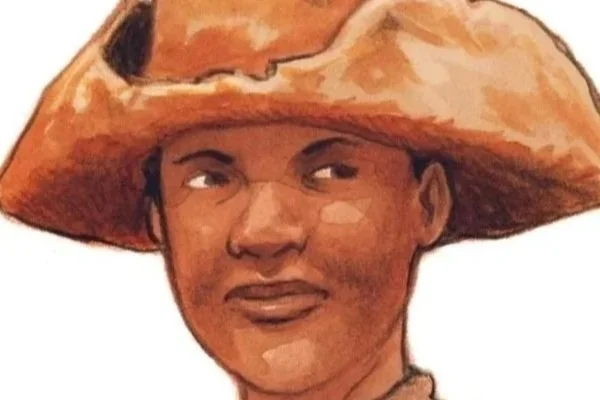
Robin, Lydia and Jane escaped on August 12, 1798. Their enslaver, James Frazer, put an announcement in the Montreal Gazette a week later, and a $9 reward was offered. This was the last announcement of fugitives in newspapers in Lower Canada.
Changing clothes to ease escaping
Frazer was a former Loyalist who had sought refuge in Nova Scotia in 1783, in Prince Edward Island the following year, and lastly, in Montreal ten years later. He had bought Robin and Lydia in the State of New Jersey when they were still children. The announcement stated that Lydia was "thick and well set" and "partly of the mulatto colour." Jane, age 4, was described as such, but it is not stated that Robin was the child’s father. As in the case of Nemo and Cash, the announcement specified that it was possible that they had changed their clothing, a strategy for making their escape easier.
Because Robin escaped again in March 1799, it is clear that he had been returned to Frazer. A few months later, in January 1800, James Frazer learned that Robin was working at Richard Dillon’s Tavern and had him arrested. He was acquitted a month later. He was the last enslaved person in Lower Canada to be arrested as a fugitive.
Illustrated by DJIEF
Questionning slavery's morality and legality
The last years of the 19th century marked a pivotal time for slavery in the province. A series of escapes spearheaded in February 1798 by Charlotte prompted Justice James Monk to position himself regarding the legality of slavery in Lower Canada and to free all the fugitives that appeared before him. Was he an Abolitionist sympathizer? We don’t know. However, in British, French and North American intellectual circles in the 1780s and 1790s, questions as to the morality of slavery began to emerge. Without being an apologist, Monk may very well have shared these ideas, or simply decided to be rigorous regarding the lack of a legal basis for this practice in Lower Canada. Monk was not the only judge who dealt with this issue in Canada. In Nova Scotia, practically during the same era, Judge Sampson Blowers used his position to complicate the claims of enslavers regarding those who ran away.
read the wanted notice
The disappearance (not the abolition) of slavery in Quebec
A few months before Robin, Lydia and Jane had escaped, James Frazer had petitioned the Government because "the Honorable Court at Montreal, [were] about Setting all Negroes Free from their Owners." Joseph Papineau, a Member of the House of Assembly (the father of the famous patriot Louis-Joseph Papineau and himself an enslaver), represented the interests of the enslavers in 1799 to the Legislative Assembly as to provide a legal framework for slavery. But the proposal was postponed until it was completely abandoned around 1803. Therefore, slavery was not abolished in Québec, but, instead, disappeared.
“It's not certain that Robin was Jane's father.”
Slavery is also characterized by the negation of all family or marital ties between individuals. The only recognized tie is the one that binds the enslaved to the enslaver as his or her private property.
Even childhood was exploited and it was not unusual for enslaved children to be the valets or playmates of the enslaver’s children. In the morning, they were decked out in finery only to be returned to their rags in the evening. The sale of the children born into bondage provided owners with supplementary income.
The traumas triggered by slavery continues to reverberate in modern society.
Children’s rights
As with all other rights, children’s right to affection and protection by their family was denied under slavery. Slavery left an indelible mark on societies with a colonial past. In fact, it was not that long ago that children born out of wedlock, especially interracial progeny, were no longer called bastards in common parlance. With the emergence of human rights, childhood was reframed as a critical period of human development that needed protection. Children were seen as subjects under the law and no longer as objects.
Little by little, child labour was prohibited and school attendance became compulsory. Today there are legal instruments for children rights, especially the 1989 Convention on the Rights of the Child, which govern this critical period which is childhood. The child's right to play, to have access to public education, to be protected from all forms of exploitation, to be helped if neglected or abused, and to obtain the affection and protection of caring persons are now guaranteed.

Québec's rights and liberties

Test your knowledge
Which of these two people was an enslaver?
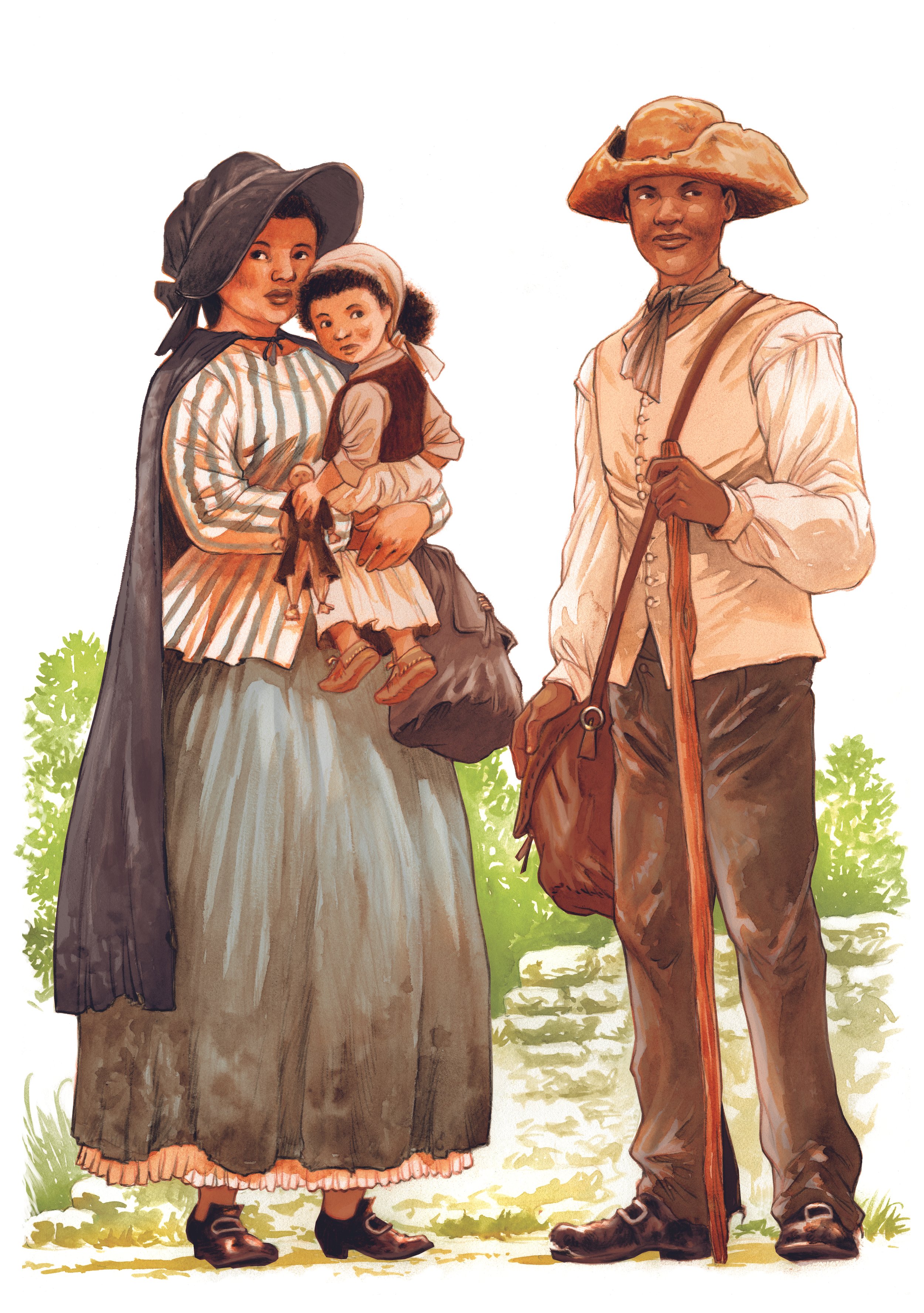
Illustration by DJIEF