

NEMO and CASH
Black criminal stereotypes and racial prejudice
listen to the story
Nemo and Cash escaped from the tailor Hugh Ritchie in Quebec City on October 24, 1779. The following week, the announcement was placed in the Quebec Gazette, with a $10 reward indicated for their capture. Nemo, who was approximately 18 years old, was born in Albany in the Thirteen Colonies. He was pockmarked. The fact of having survived measles and smallpox was always mentioned in announcements because, since these diseases could only be contracted once, enslaved persons who had gotten them were immune and therefore of greater value. Smallpox was an infectious disease that left numerous scars on the skin, which were indicated in the announcements as distinctive features that made it possible to better identify fugitives. This was the case for Ishmael, Joe and several others.
Nemo, which means "no one" in Latin, spoke English and some French. Cash, who was eight years his senior, spoke both languages fluently. There was an interesting addition about Cash. The announcement stated: "She carried with her a considerable quantity of Linen and other valuable Effects not her own". Cash also carried a huge bundle of her own clothing that included caps, skirts, ribbons and bonnets.
This detail was important because it indicated that she had planned her escape. The announcement even specified that it was likely that she would change her clothing, which could be used to alter her appearance, but which could also be sold and help the two fugitives survive.
Illustrated by VALMO
read the wanted notice
Running away as far as possible
The announcements were often published in places other than the city of origin because newspapers were rare and broadening the scope increased the chances of finding the fugitives. It was expected that the enslaved would try to get as far away as possible, even if this wasn’t always the case, especially towards the end of slavery. Nemo appears to have been seen in Sorel after he escaped from Quebec City and it was assumed that he and Cash were still there. When Marie-Joseph-Angélique attempted to run away in February 1734, she tried to make it as far as New England. In 1784, it was believed that Ishmael tried to leave the province. Chloe escaped from Berthier in 1791 and was announced in the Quebec Gazette. Like Cash, Chloe left with several outfits and her clothing could not be described. Fortune ran away from Carleton Island in 1780, Isaac left Gaspé in 1794, and both their wanted notices were published in Quebec City.
Cash "carried valuable effects not her own"
The search notice for Cash states that she had a quantity of items and clothing which did not belong to her. This detail is consistent with the persistent accusations of theft and the criminal stereotypes that even today are often associated with Afro-descendants. In merchant-class homes, servants, frequently racialized persons, were also regularly suspected or accused of theft by their enslavers. In the history of Québec and Canada, a multitude of criminal incidents (theft, rape, murder and arson) can be traced for which Black, Indigenous or racialized people were falsely or automatically blamed. Given their social exclusion, they were the "perfect offenders." Numerous botched trials took place in Québec and Canada, condemning innocent people because racial prejudice skewed the system. Despite the existence of human rights, such judicial errors are still likely to occur because racial prejudice is still within our society.
Caption: unknown
Racial profiling
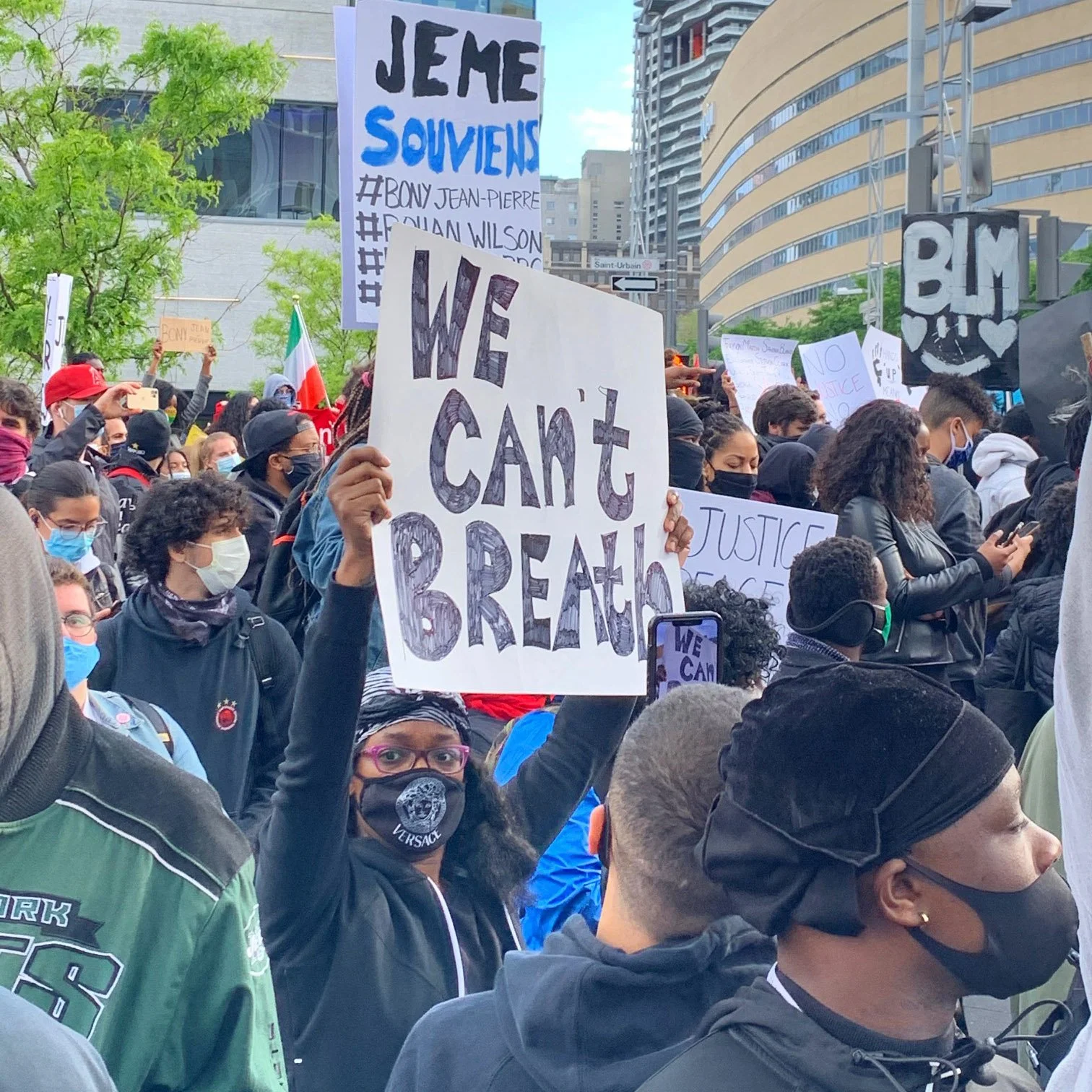
Be that as it may, even today, racialized persons are regularly suspected of crime and delinquency because of prejudice based on skin colour. The racial profiling which they are still likely to suffer despite the protection of the right to equality under the Québec Charter shows how deep-seated racial prejudice is, not only among people in positions of authority, but also among the citizens who request that they intervene.
Legal rights
While prejudice continues to be behind discriminatory acts and language and racial profiling, every person has the right to be represented in a court of law and to a fair trial, free of prejudice. These are some of the legal rights that guarantee the equality of all people in the eyes of the law, regardless of the colour of their skin.

Discriminatory Profiling in quebec

Test your knowledge
When selling an enslaved person, why mention that they had had smallpox?
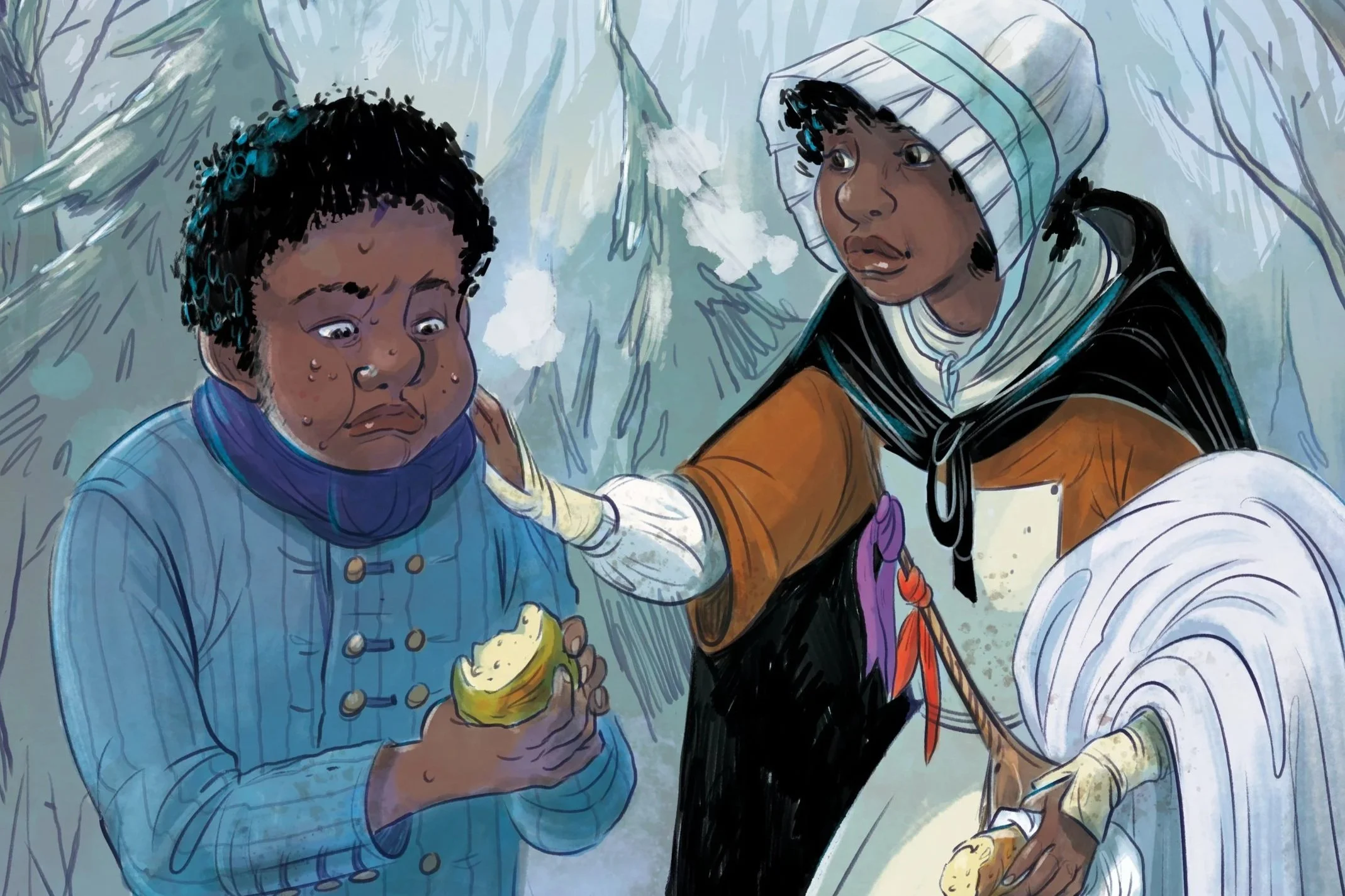
Illustration by VALMO