JACK
Une culture gardée vivante à force de résistance
LISTEN TO THE STORY
When the announcement of Jack’s escape was published in the Quebec Gazette on July 30, 1778, it had already appeared several times and the escapee had already been missing for more than two months. An $8 reward was offered for his return. Jack had recently been purchased from Loyalist soldier Simeon Covell by the associates James Finlay and John Gregory, both of whom were Montreal businessmen involved in the fur trade.
A foretop turned back, with a large beard
He was described as having "a foretop turned back, very black, with a large beard." The fact that the announcement states that he "[spoke] no other tongue but English and that upon the Guinea accent" tells us that, like Joe, Jack was probably born in Africa.
Many stops before landing in Quebec
As the slaveships did not go as far as the St. Lawrence Valley, enslaved Africans generally transited through the West Indies or the Thirteen Colonies before arriving at Quebec City or Montreal. Moreover, many came to Canada with the Loyalists who had left what had since become the United States. Before the American War of Independence, Simeon Covell had not been a soldier, but rather, a farmer and a store owner in the State of New York. He held in slavery four persons whom he had bought in 1774 and 1775: a man and a woman, both 25 years old, a 7-year-old boy and a 2-year-old child. Covell said that he took the man with him when he joined the Loyalist army in 1777. In August of the same year, he reached Canada to avoid being taken prisoner by the rebels. Was Jack the enslaved person who went with him? We know that he was purchased by Finlay and Gregory not long before his escape and that approximately ten months elapsed between Covell’s arrival in Canada and Jack’s escape.
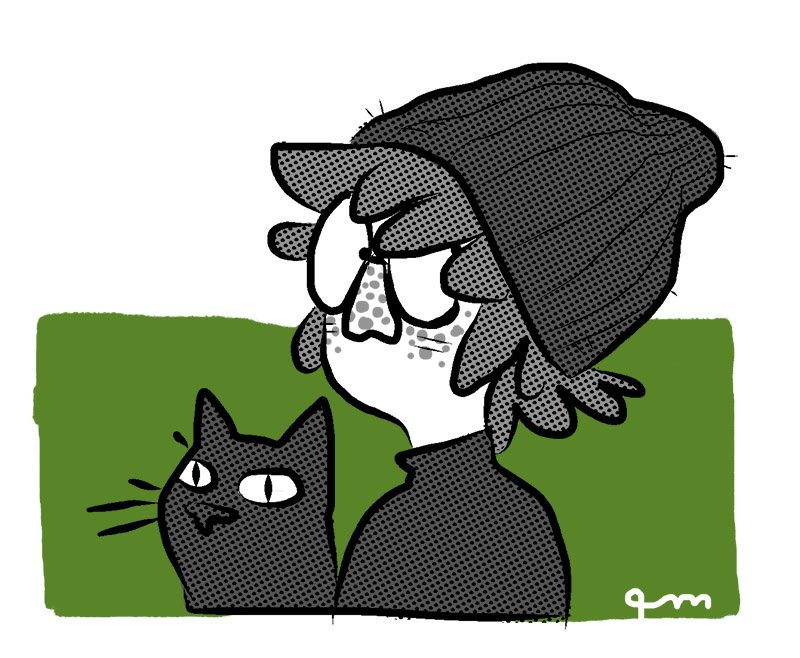
Illustrated by EM
Fighting for his liberty
At the time of the American Revolution, several thousand Afro-descendants and Africans fought on the side of the British in exchange for their freedom. Others were already free before the war broke out. Called the Black Loyalists, they went on to settle in the Bahamas, in Jamaica and in Nova Scotia. Unfortunately for him, Jack entered Canada not as a free man, but as an enslaved person.
read the wanted notice
Dismanteling the family unit
The other enslaved persons (the woman and the two children) listed by Simeon Covell remained in the State of New York. Captured by the Americans, they were sold with all his other belongings. It is possible that this was Jack’s family. One of the characteristics of slavery is that there is no family unit. Families could be dismantled at the enslaver’s will or as circumstances would have it. In Quebec, some enslavers who wanted to respect the sacred vow of marriage could sell married couples together but not necessarily with their children. Jack was therefore uprooted at least twice: from Africa to the Thirteen Colonies, and from there to Canada, a reality not very different from the trajectory of the millions of enslaved persons sold throughout the Atlantic World at the time.
Jack “still speaks with a Guinean accent”
Without official documents certifying their birth and place of origin, enslaved people like Jack lost not only their family and community ties, but also their cultural identity.
Successive Uprootings
The successive uprootings experienced by enslaved people—along with the prohibition against using their own names and language and practicing their music or religion—prevented them from keeping their culture alive.
Another testament to the resilience of enslaved people, however, lies in their ability—and that of their descendants—to pass on part of this cultural heritage, which has given rise to a rich and diverse cultural tapestry unique to diasporic Africans across the Americas.
The Right to Preserve One’s Language, Culture, and Religion
With the emergence of human rights protection came a set of guarantees, such as the right to preserve one’s language, culture, and religion and to pass them on to one’s children. This protection is particularly important for Indigenous communities and nations, who have been victims of policies aimed at their assimilation—which the former Chief Justice of the Supreme Court of Canada declared to constitute cultural genocide. Now, Indigenous children have the right to communicate and be educated in their mother tongue; this is a matter of rights. These rights are enshrined in international, Canadian, and Quebec legal instruments.
from slavery to rights

Test your knowledge
Where was Jack born?
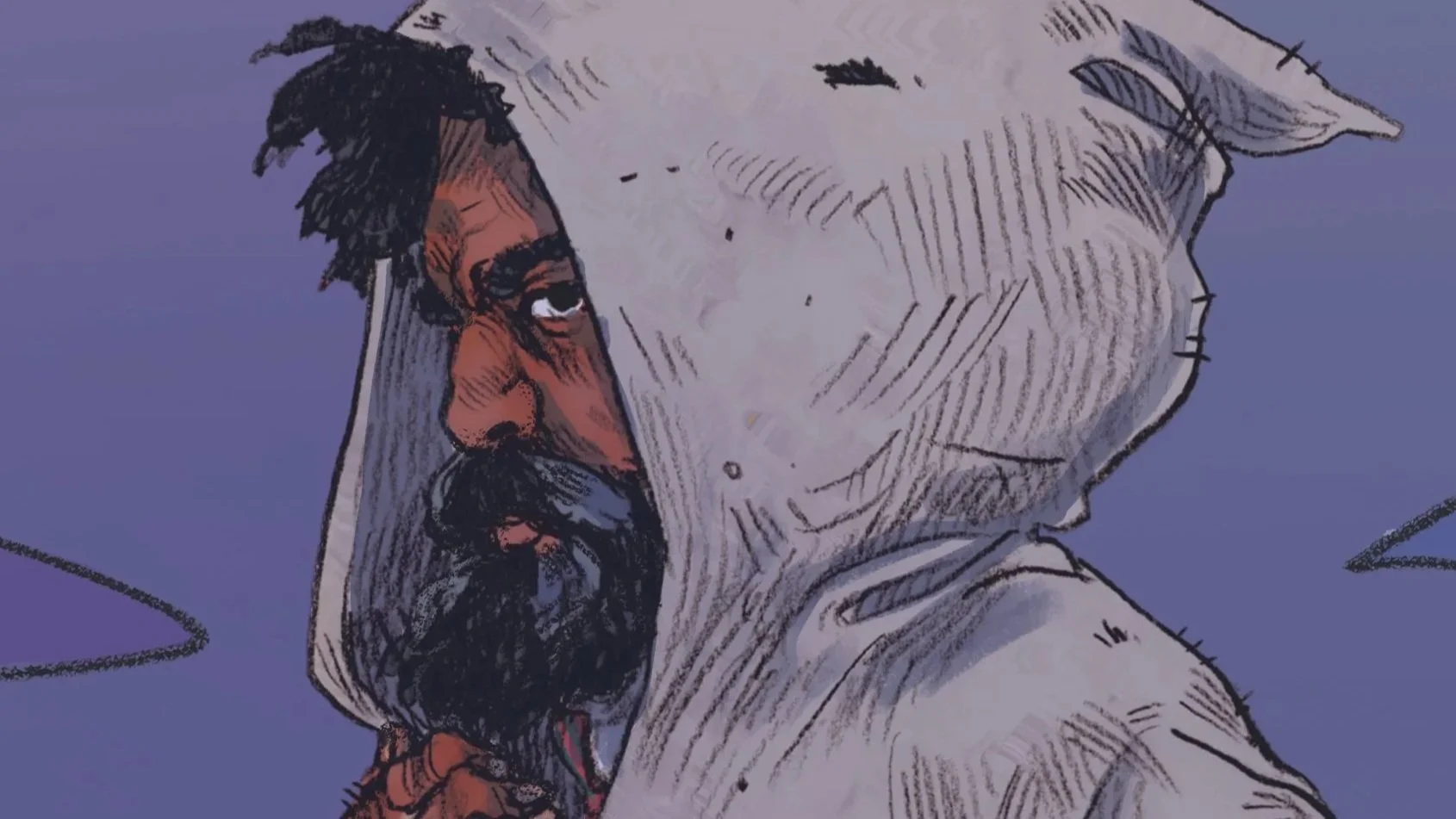
Illustration by em