Lowcanes
The important Role of Music
Listen to the story
On November 30, 1775, William Gill, a businessman and sea captain, announced Lowcanes’s escape in the Quebec Gazette. Having fled almost two weeks before, Lowcanes was described as measuring 5 feet 10 inches, having a thin face and being distinguishable due to his long hair tied at the back of his head. A $16 reward was offered. One of the distinct characteristics of this 25-year-old man was that he "spoke good French, no English," despite his English-sounding name. According to historian Frank Mackey in Done with Slavery, Lowcanes is an anglicized version of Léogâne, the name of a city in Haiti (Saint-Domingue at the time), possibly where Lowcanes may have come from. Being a sea captain, William Gill may have brought him back with him from one of his voyages. He had enslaved at least one other person, named Rebecca, who was sold with her 10-month-old daughter by his widow in 1788.
Music, inseparable from Afro-descendants experience in America
The announcement also highlighted another feature that set Lowcanes apart. It stated that “he plays the Violin very well”. Music is part and parcel of the Afro-descendant and African experience in the Americas. Bowed and plucked instruments have been an element of the West African musical tradition for centuries. Take, for example, the Nigerian goje, the Senegalese kora, the Malian bolon and the cimboa from Cape Verdi. Many enslaved persons who were taken to the Americas came from these regions and the banjo is a direct descendant of this tradition.
While they crossed the ocean in slaveships, the captive Africans sang to communicate or to be able to identify family or village members.
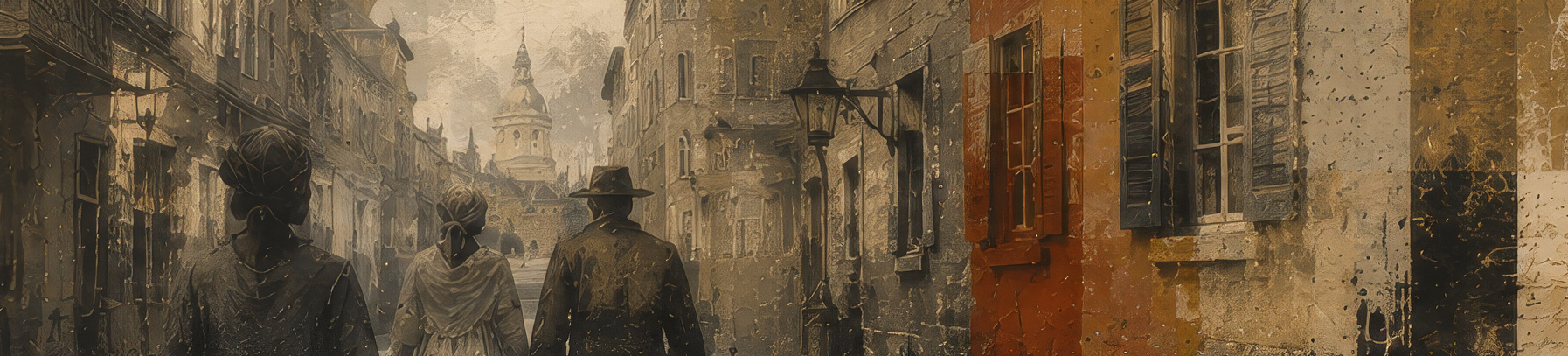
Illustrated by CAROLINE SOUCY
Singing to communicate
Work songs in the plantations created a cadence for their tasks and gave them courage, hope and a sense of community. Singing was also used to relay messages. The musicians were often asked to play for the enslavers. One of the oldest depictions of Afro-descendants and Africans in Canadian iconographic history is called Minuets of the Canadians by George Heriot in 1809. Amongst the crowd at a dance, we see two Black people on a stage, one of whom is holding a tambourine.
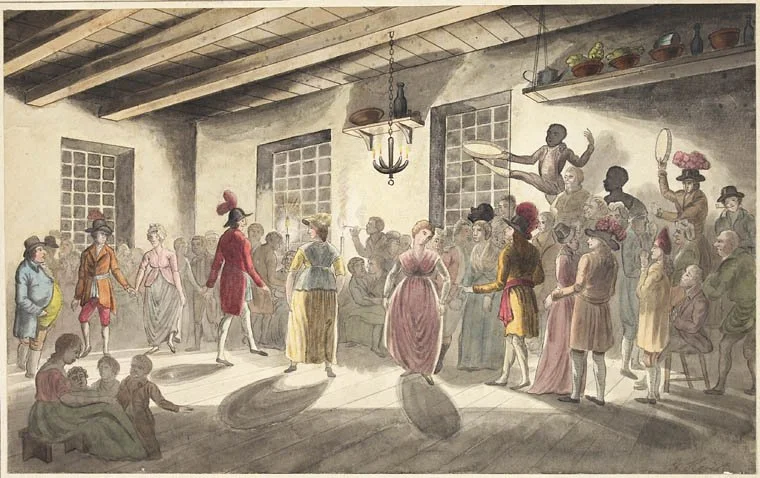
Caption: Minuet of the Canadians, George Heriot 1807. Toronto Public Library.
This work was painted a few years after slavery was no longer a fact in Lower Canada; it probably illustrates musicians who were hired for the occasion, and not slaves. There were many Black musicians in Québec in the first quarter of the 19th century, most of whom were fiddlers like Lowcanes.
read the wanted notice
Lowcanes “plays the Violin very well”
Music played a central role in slavery. On slave ships, chanted rhythms served as identifiers, allowing captives from different regions and nations across the African continent to recognize one another. On plantations in the South, these rhythms were used as a coded language and rallying signal during rebellions. In Quebec, it was a little later—with the advent of industrialization and the emergence of Black working-class neighborhoods—that music played a more important communal role.
Organizations and Associations
Founded in 1902, the “Colored Women’s Club of Montreal” is one of the oldest associations in Quebec. This type of community organization enabled Afro-Montrealese women to come together to confront discrimination, marginalization, and difficult living conditions.
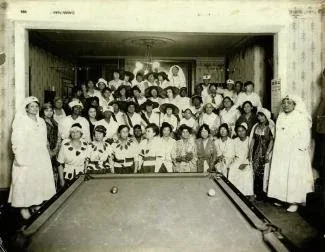
Caption: The Colored Women’s Club of Montreal in 1919. Source: Archives of Concordia University.
The Rights of Ethnic Minorities to Promote Their Own Cultural Life
Every culture must be shared with other members of its group to remain alive. To achieve this, however, one must be able to exercise certain fundamental rights and freedoms, including the freedom of association and peaceful assembly, as well as the freedom of expression, conscience, and religion. These fundamental rights and freedoms were, of course, denied to enslaved persons, but also to a host of other minority groups throughout Quebec’s history. In 1975, when the Quebec Charter of Human Rights and Freedoms was adopted, a specific article was included to guarantee the right of these minority groups to establish nonprofit associations dedicated to their interests. The Quebec Black League, founded in 1969, is a good example of such an association.

Québec's rights and liberties

Test your knowledge
Where does the name Lowcanes come from?
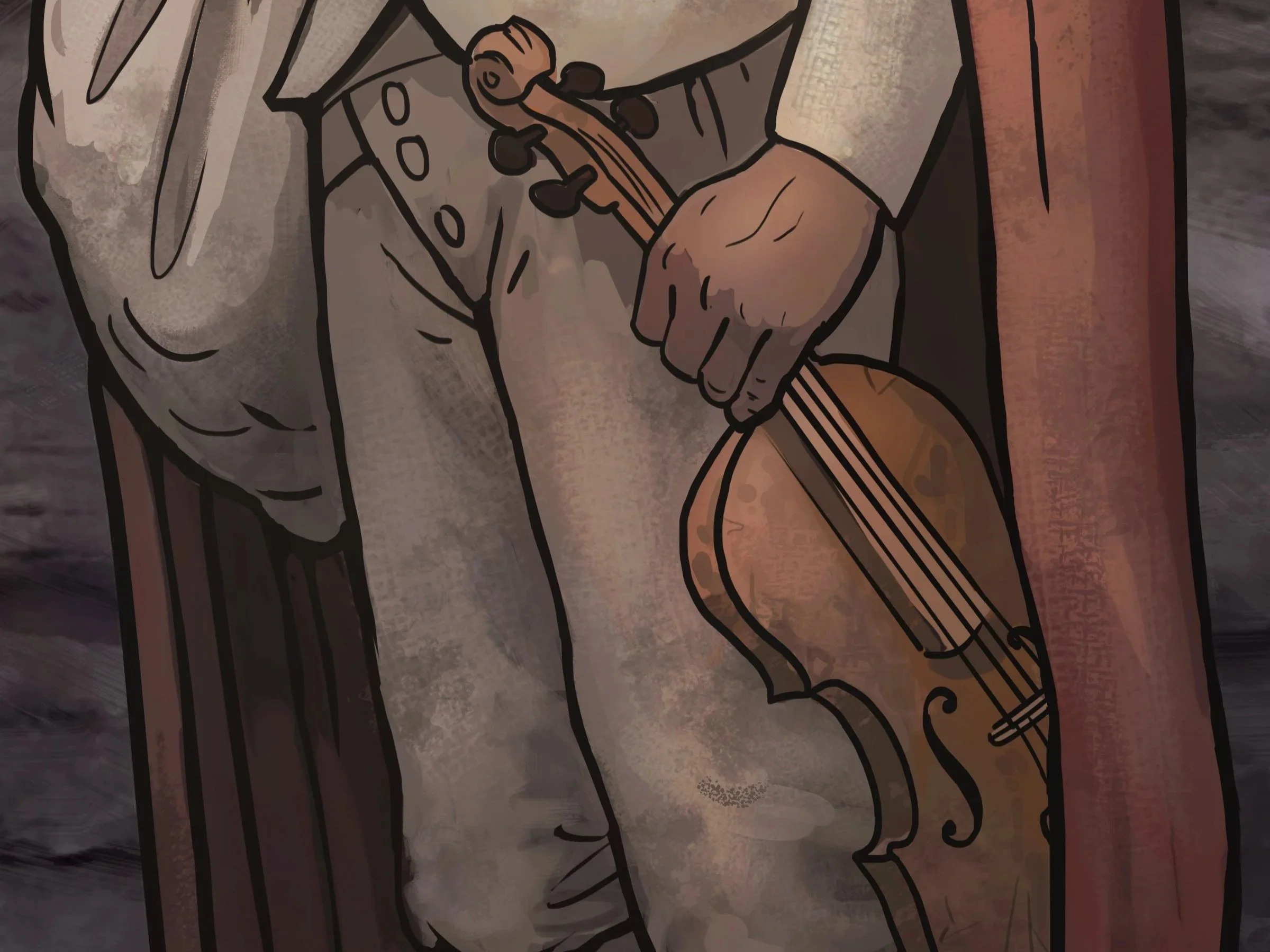
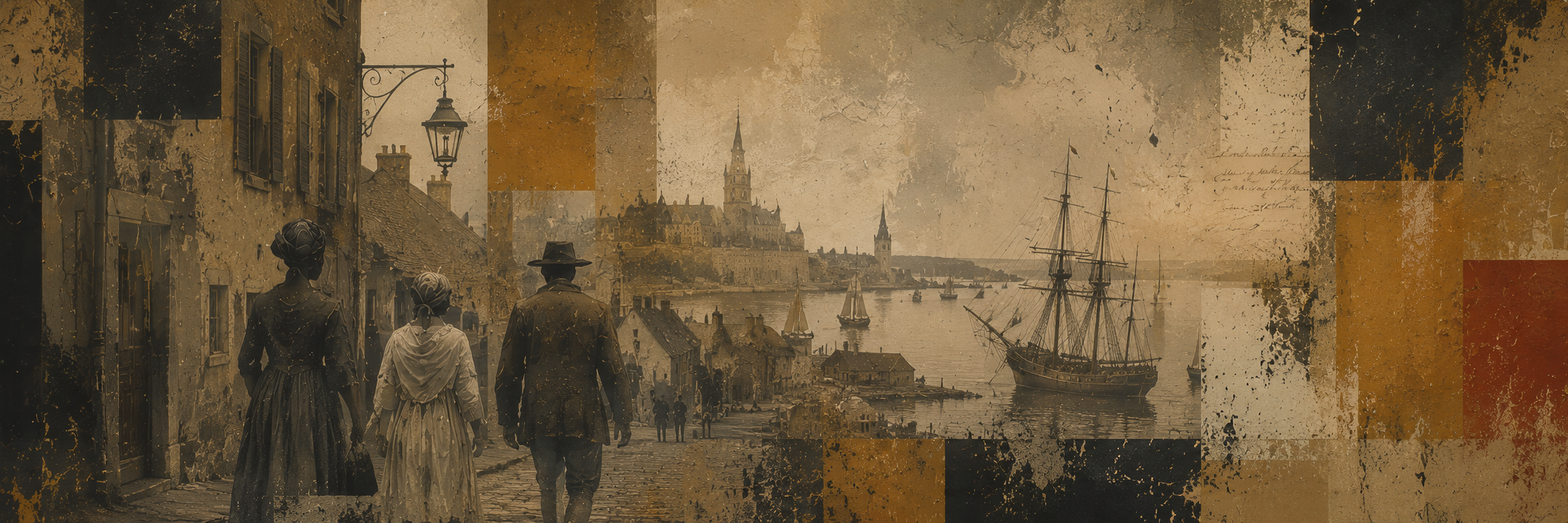
Illustration by CAROLINE SOUCY